

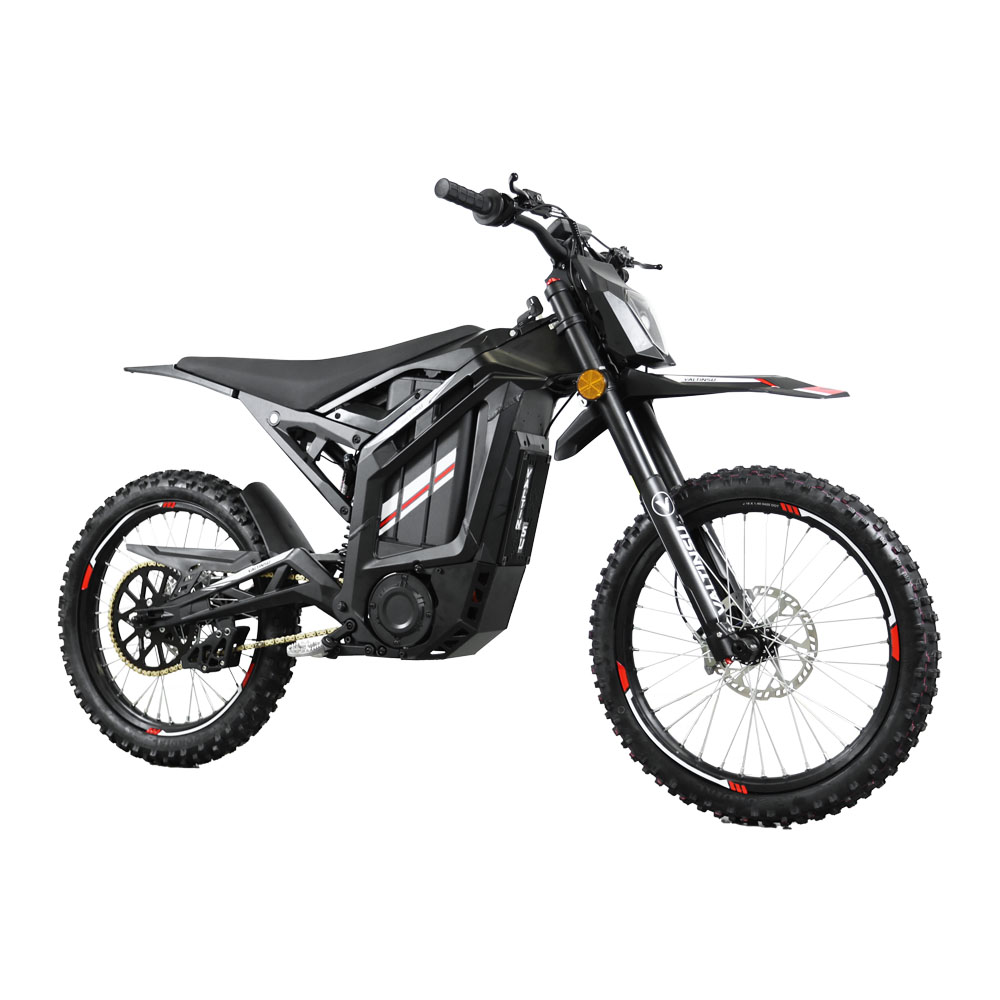

The answer isn’t a simple “yes” or “no.” Off-road motorcycle licensing requirements depend on where you ride, the type of dirt bike you own, and whether it complies with road regulations. In this guide, we’ll break down the laws and regulations surrounding off-road dirt bike in a clear and practical way to help you ride legally and confidently.
From a legal perspective, dirt bikes are generally classified as motorcycles, or more specifically, off-road motorcycles. Unlike street motorcycles, most dirt bikes are not designed or manufactured to meet road safety or emission standards.
This classification is important because licensing, registration, and insurance regulations depend on the vehicle’s definition and intended use. Furthermore, it’s important to note that regulations for gas-powered and electric motorcycles may differ, particularly regarding emissions, noise, and registration requirements.
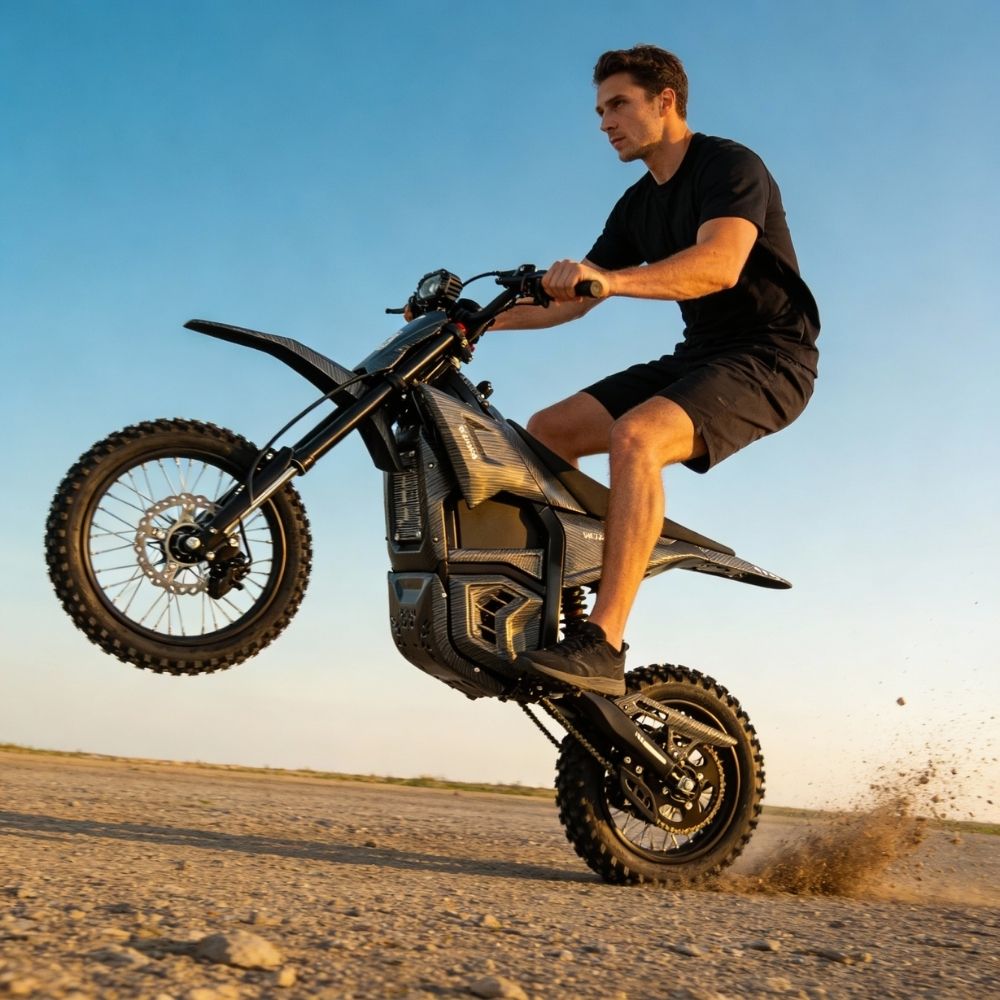
In many cases, yes – you can ride a dirt bike without a driver’s license, as long as you’re not riding on public roads.
If you are riding on private land with the landowner’s permission, a driver’s license is usually not required. This includes farms, ranches, and privately owned riding areas.
Most designated off-road riding areas allow you to ride a dirt bike without a motorcycle license. However, they may require:
Off-Highway Vehicle (OHV) registration or permit
Safety equipment such as helmets
Adherence to age restrictions
Rules vary by location, so it’s always recommended to check with the local land management agency.
Regulations vary considerably in this regard. Dirt bikes typically do not meet the requirements for road use, and in most states, riding a dirt bike on public roads without the appropriate license and vehicle registration is illegal.
If you plan to ride a dirt bike on public roads—even briefly—you will generally need:
These regulations apply even if you only need to cross a public road to reach an off-road trail.
Related reading: If you’re specifically interested in this topic, see our in-depth guide: Are electric dirt bikes street legal?
Most off-road dirt bikes do not meet the legal requirements for road use when they leave the factory. They typically lack necessary equipment such as:
Therefore, these dirt bikes cannot be legally ridden on public roads unless they have been modified and approved.
Some states allow owners to modify dirt bikes for on-road use. Common modification requirements include:
Even after modifications are completed, final approval for on-road use depends on local regulations regarding dirt bikes. Not all states permit such modifications, so it’s essential to consult your local Department of Motor Vehicles (DMV).
Off-road dirt bikes, designed specifically for off-road trails and tracks, do not require a motorcycle license in most states. However, riding on public land may still require registration or an off-highway vehicle (OHV) sticker.
Street-legal dirt bikes, often called dual-sport motorcycles, are designed for both on-road and off-road use. Riding these motorcycles on public roads requires:
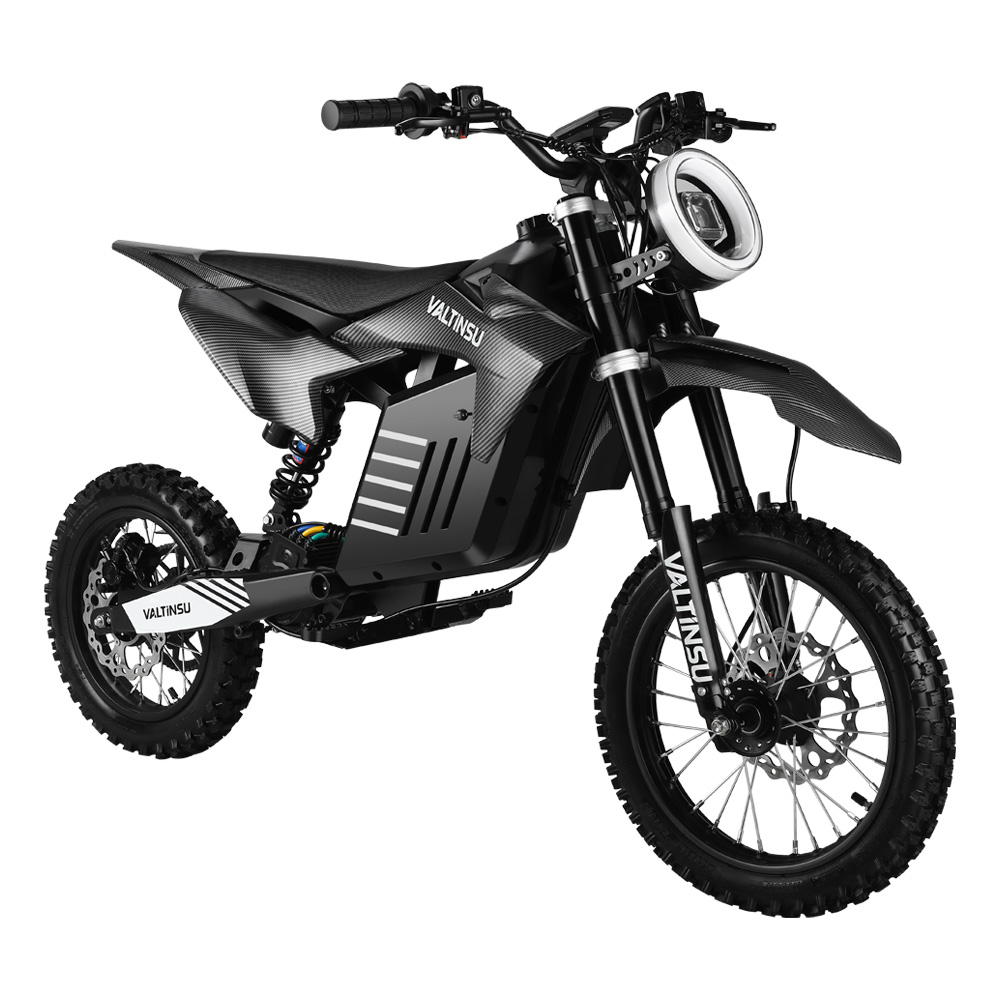
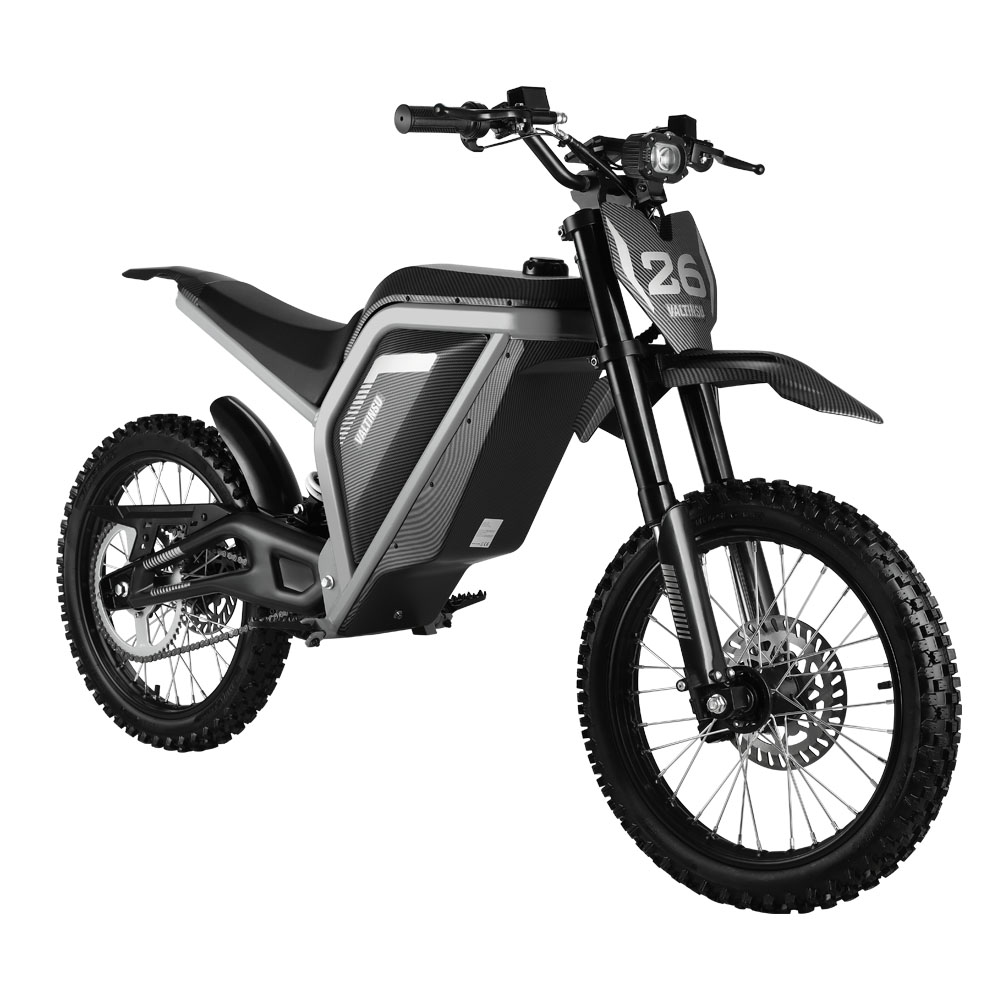
Electric dirt bikes are becoming increasingly popular due to their quiet operation and low maintenance costs. In most areas, the regulations for electric dirt bikes are similar to those for gasoline-powered dirt bikes when used off-road. Licensing requirements depend on speed, power output, and whether the bike is ridden on public roads.
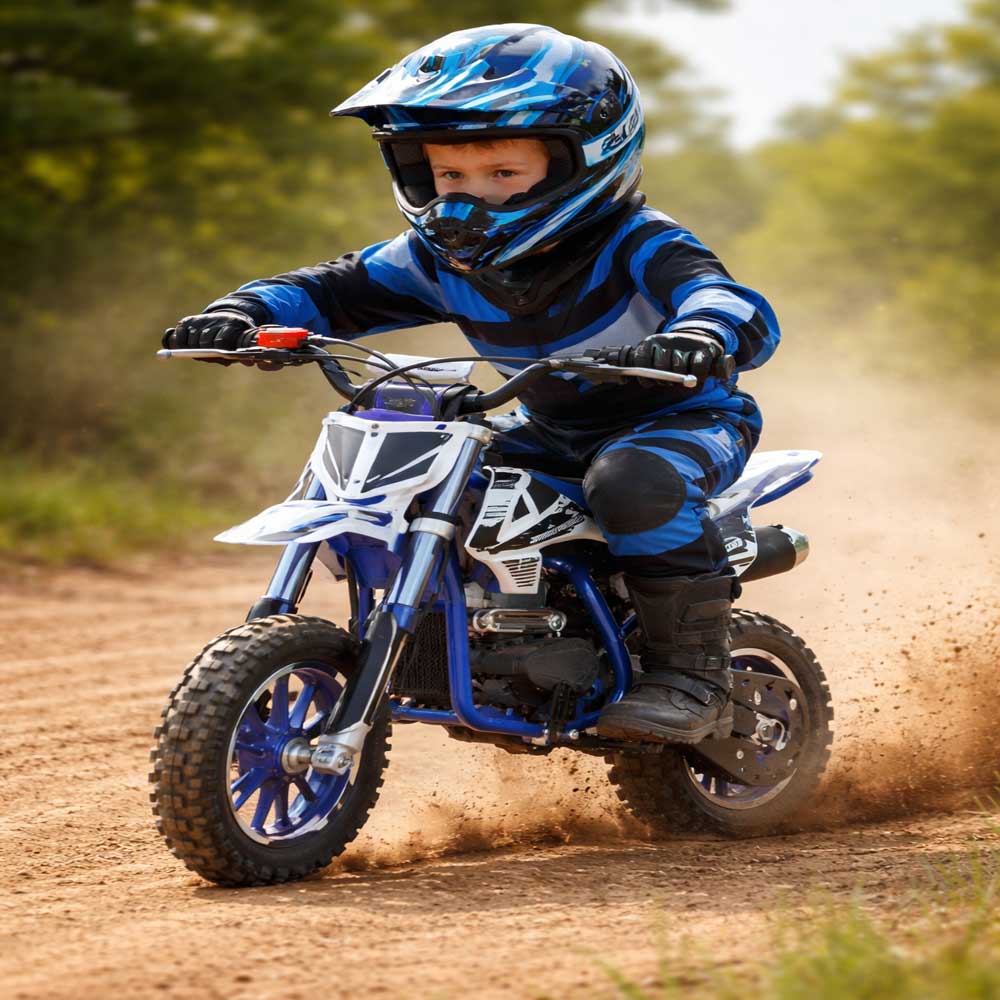
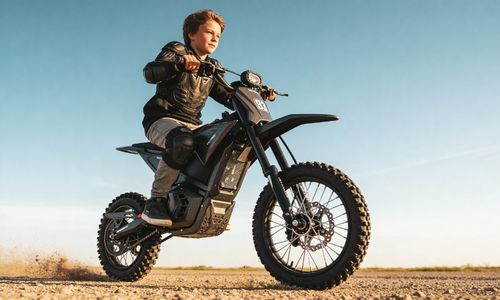
Mini dirt bikes are smaller, lower-powered models typically designed for children or beginner riders.
Riders should always choose a motorcycle that is appropriate for their size, strength, and skill level. Many states have minimum age restrictions for operating dirt bikes in public areas.
Young riders should wear appropriate safety gear and ride under adult supervision. Many parents also choose to enroll their children in professional dirt bike safety training courses to help them develop safe riding habits.
Registration requirements depend on how and where the dirt bike is used:
Off-road use: Often requires OHV registration or a riding sticker
Street use: Requires full DMV registration, license plate, and insurance
Failure to register an off-road dirt bike as required may result in fines or vehicle impoundment.
Dirt Bike regulations vary by state. For example:
California: Off-road use requires off-road vehicle registration, and street riding requires a motorcycle license.
Texas: Riding on public land requires an off-road vehicle sticker, and road riding requires a specific permit.
Florida: Regulations for off-road riding are generally more lenient, but ownership registration requirements are still enforced.
New York: Regulations are very strict, with limited legal riding areas, and most off-road motorcycles are not permitted on public streets.
Be sure to check with your local Department of Motor Vehicles or transportation authority for specific regulations.
A driver’s license is only required if the dirt bike meets road-legal standards and is being ridden on public roads.
Yes, but they must ride in off-road areas under supervision and comply with local age regulations.
Generally, insurance is only required for off-road motorcycles that meet road-legal standards.
Lightest and easiest to control, perfect for teens and casual riders
Smart + removable battery + gear-reduction torque = highest global demand
Fill out the form below, and we will be in touch shortly.