


There are five main types of dirt bikes: trail, enduro, motocross, trials, and electric. Each type fits different terrain, speed, and skill. I explain simple differences and how to choose, based on real riding experience.
You want calm rides, not race stress. Tight trees and mixed ground call for control. A trail bike solves this. It is forgiving and steady.
Trail dirt bikes are built for comfort and control on variable terrain. They use softer suspension, friendly power, and wide gear ratios. They suit beginners and casual riders who want confidence on singletrack.
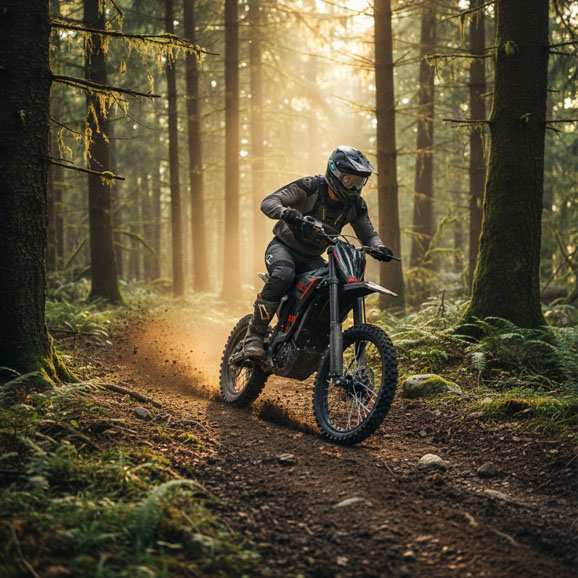
I like trail bikes for long days. They feel soft over roots. They do not punch hard. They forgive mistakes. I can ride longer.
| Feature | Typical Trail Spec | Benefit |
| Engine | 125–300cc (gas), mild tune | Smooth power delivery |
| Suspension | Softer valving, more comfort | Reduces rider fatigue |
| Gearing | Wide ratio | Easier for both steep climbs and flat sections |
| Weight | Moderate | Provides a stable and planted feel |
| Ergonomics | Neutral | Builds confidence for newer riders |
I pick a trail bike when I explore new loops. I use it when I ride with mixed skill friends. It lets me focus on line choice, not speed. I remind riders that comfort builds skill. A calm bike helps you learn braking, clutch, and balance. You can upgrade later if you want more pace. If you ride rocks and roots at a casual pace, start here.
You want tough terrain and long stages. You face hills, rocks, and mud. You need power and resilience. An enduro bike makes that possible.
Enduro dirt bikes balance power, suspension, and endurance for technical trails and timed stages. They use stronger components, precise fueling, and smart gearing. They suit riders who push through harsh terrain all day.
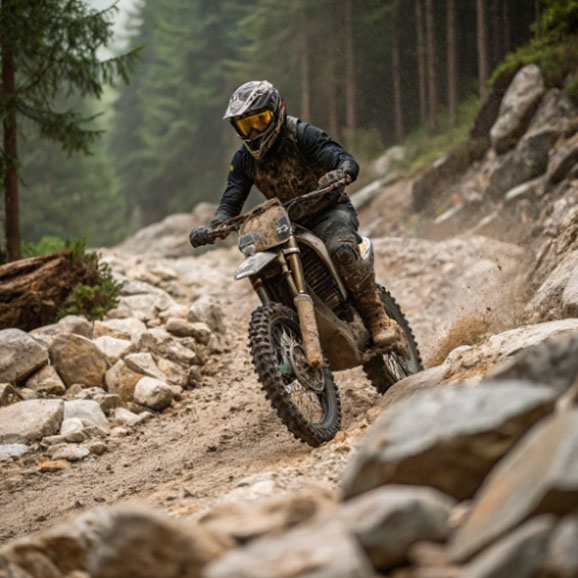
Enduro bikes feel firm and ready. They accelerate hard but stay tractable. They soak hits but stay composed. I feel secure when the trail turns rough.
| Feature | Typical Enduro Spec | Benefit |
| Engine | 250–500cc (gas), torquey tune | Provides power for strong, technical climbs |
| Suspension | Firm valving, high-quality | Maintains control and stability at higher speeds |
| Fueling | EFI, map switches | Allows the rider to adapt power delivery to the terrain |
| Protection | Skid plate, hand guards | Ensures the bike can survive heavy impacts |
| Gearing | Close to wide ratio mix | Offers precise control in tight, technical sections |
I pick enduro when I face big elevation changes and slippery rock gardens. I ride it in races and long technical days. It asks for good skills. It pays back with confidence. If you want harder trails and longer loops, choose enduro. Train clutch control and standing posture. Add hand guards and a radiator fan for slow climbs. Maintain the chain and bearings often. It keeps you moving when the trail bites.
You want jumps, berms, and gate drops. You chase lap times. Precision matters. A motocross bike is built for tracks and speed.
Motocross dirt bikes are race machines for closed courses. They use stiff suspension, snappy power, and close-ratio transmissions. They suit riders who practice on groomed tracks and want aggressive handling.
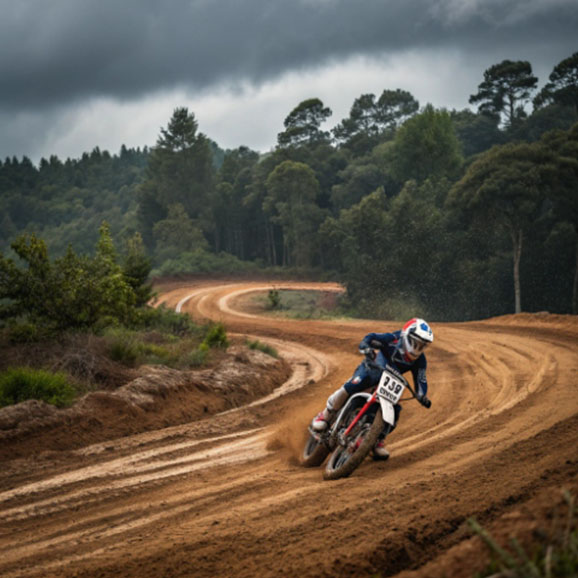
Motocross bikes feel explosive. The throttle hits hard. The suspension feels stiff. They shine on jumps and smooth lines. They punish weak form.
| Feature | Typical MX Spec | Benefit |
| Engine | 125–450cc, high-strung | Instant and fast power response |
| Suspension | Very stiff, big travel | Remains stable during large jumps and landings |
| Transmission | Close ratio | Keeps the engine in its optimal power band (“on the pipe”) |
| Weight | Light | Allows for incredibly quick and nimble handling |
| Ergonomics | Aggressive | Optimized for precise and frequent body movements |
I pick MX for track days and sprint training. I focus on body position and throttle control in ruts. I respect maintenance needs. The air filter must be clean. Oil must be fresh. If you ride only trails, MX may feel harsh. If you ride track, it feels perfect. Try a friend’s bike at a local practice. See if the feel matches your goals. Then commit to lessons. It will reward your effort.
You want balance and precision first. Speed is not the goal. Control is the goal. A trials bike teaches pure technique.
Trials bikes are ultra-light machines for obstacle riding at low speed. They have tiny seats, smooth power, and extreme agility. They suit riders who want to master balance, clutch, and line choice.
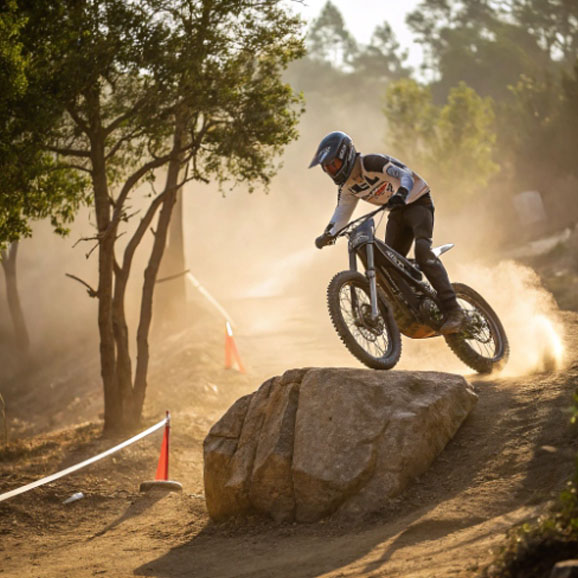
Trials bikes feel telepathic. They dance on rocks and logs. They do not rush. They let me practice balance drills and exact clutch slips.
| Feature | Typical Trials Spec | Benefit |
| Engine | 125–300cc, smooth | Exceptional fine throttle control |
| Seat | Minimal (often non-existent) | Allows for maximum rider movement |
| Weight | Very light | Facilitates precise balance and hopping |
| Gearing | Very low | Perfect for controlled hops and slow maneuvers |
| Tires | Sticky compound, low pressure | Maximum grip on slick or vertical obstacles |
I pick a trials bike to improve skills fast. I practice figure-eights, static balance, and small hops. I transfer these skills to enduro and trail. I use short sessions and clear drills. I accept that speed is not the point. If your trails are tight and technical, trials training pays off. Add a slow-speed hour each week. Watch your confidence grow. You will clear lines you once walked.
You want quiet rides and low maintenance. You want instant torque. Electric dirt bikes make this real today. The category grows fast.
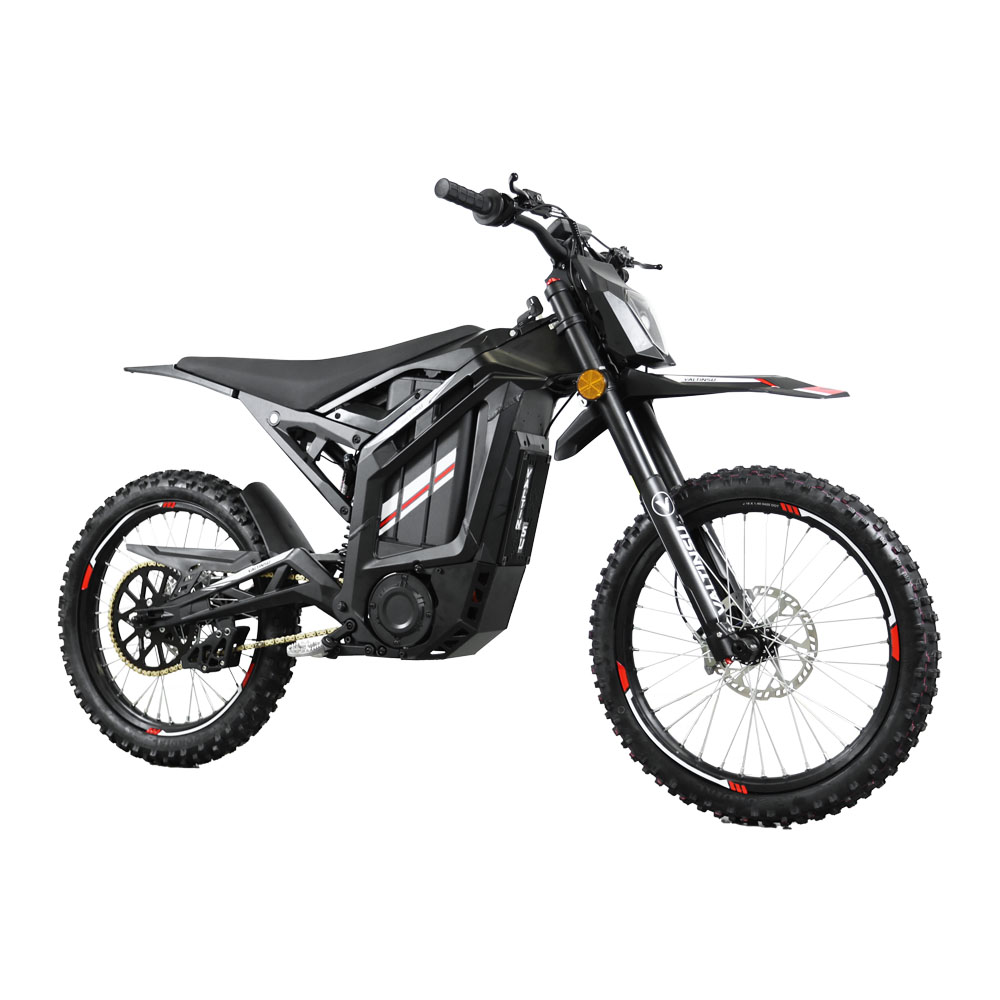
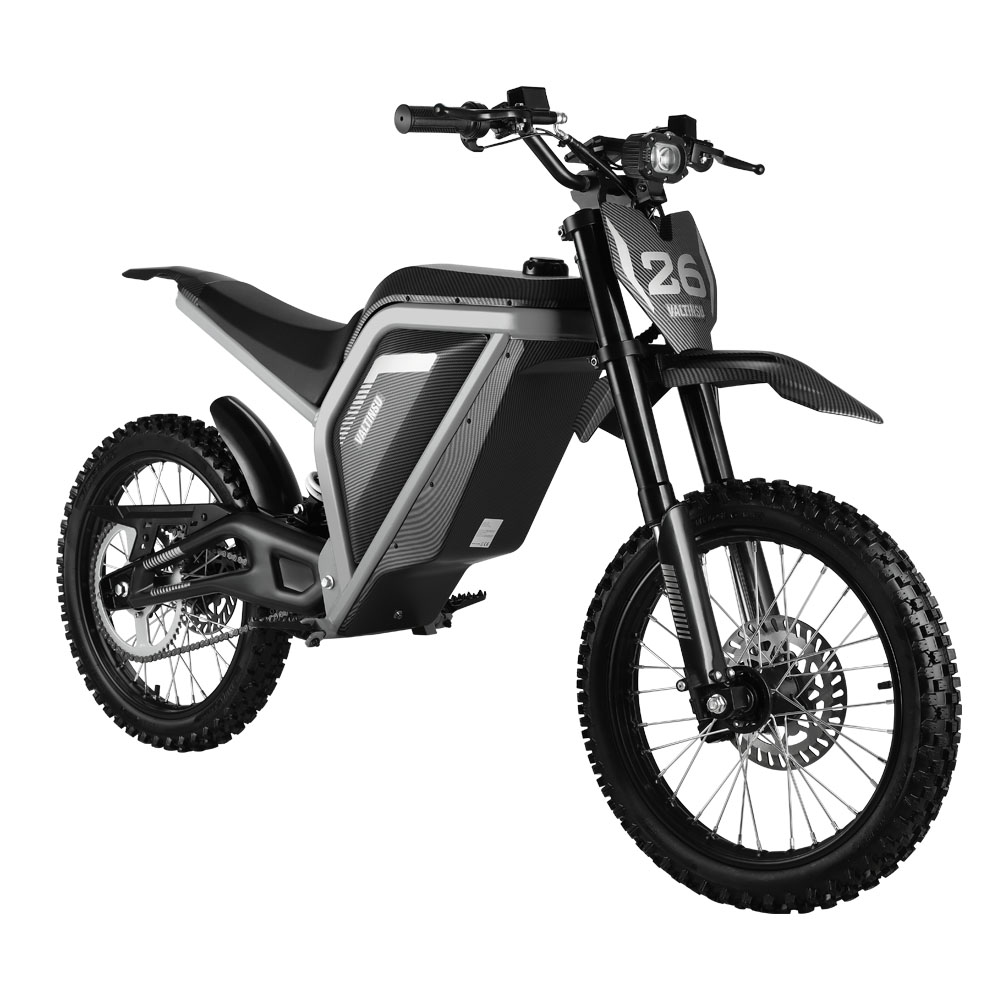
Electric dirt bikes use battery power and electric motors for off-road riding. e.g., EM-5 and SS-8 Electric dirt bike. They deliver instant torque, low service needs, and quiet operation. They suit riders who want smooth control, easy ownership, and access to more places.
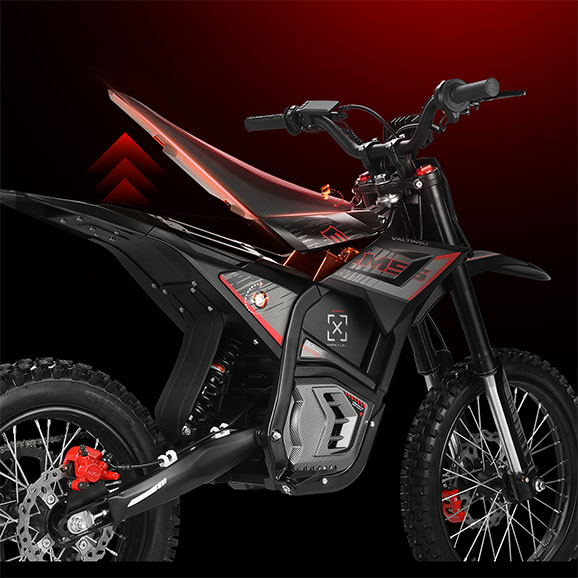
Electric bikes feel direct. Torque comes right now. They are quiet, so I hear tires and terrain. I focus on lines, not gears. I get smoother faster.
| Aspect | Electric | Gas (Internal Combustion) |
| Power Delivery | Instant torque, linear delivery | Builds with RPM, requires shifting |
| Maintenance | Low (no oil, filters, or valves) | Higher (regular oil changes, top-ends) |
| Noise | Near-silent (stealthy) | Loud (distinctive exhaust note) |
| Fuel/Charge | Plug in (cheaper per “tank”) | Fill up (instant range at the pump) |
| Emissions | Zero at the point of use | Tailpipe emissions |
Range depends on battery size, terrain, and riding style. I plan rides based on trails and charge points. I use standard chargers for garages. I keep batteries within the suggested charge window. I store batteries at moderate temperatures. I check brakes and tires as often as any bike. I ride early without disturbing neighbors. I coach new riders using map modes. They learn more safely and faster.
You may worry about noise tickets, oil changes, and starting issues. You want simple rides. Electric solves many pain points right away.
Riders choose electric dirt bikes for instant torque, low maintenance, quiet trails, and easy learning. They enjoy customizable power maps and strong traction. They skip oil changes and clogged carbs. They ride more, fix less.
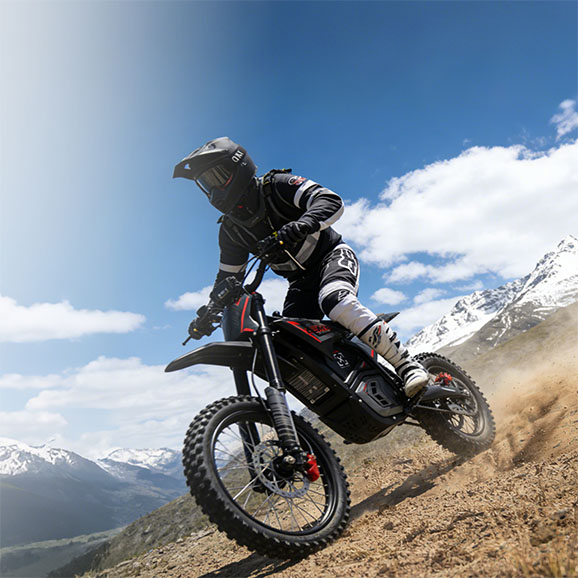
I get smooth starts on steep climbs. I avoid stalls in tight switchbacks. I adjust the power with one button. I keep the peace in shared areas. I carry less gear in my pack.
| Item | Electric | Gas |
| Routine Service | Minimal: focus on brake pads, tires, and chain | Extensive: oil changes, filters, valve adjustments, carburetor tuning |
| Fuel Cost | Low: electricity is significantly cheaper per mile | Higher: fuel prices and 2-stroke oil costs add up |
| Startup Reliability | Instant: always ready with a push of a button | Variable: depends on tuning, temperature, and spark plug health |
| Noise Management | Simple: near-silent operation allows for riding in more areas | Difficult: often limited by local noise ordinances and neighbors |
I ride near neighborhoods early and late. Electric keeps sound down. I train new riders by limiting power. They gain control fast. I save time on maintenance. I ride more often in small windows. If your goal is access, simplicity, and control, electric fits. If you want long races without charging, gas still has a place. Pick based on your terrain, schedule, and local rules.
You stand in a showroom with doubts. The wrong pick wastes money. The right pick grows skill. I use a clear checklist.
Choose based on terrain, pace, skill, and comfort with maintenance. Trail suits beginners and casual walkers. Enduro suits technical all-day rides. Motocross suits tracks. Trial suits, skills training. Electric suits provide quiet access and simplicity.
If you’re unsure whether to choose an electric or gas dirt bike, read this article: Electric Dirt Bike vs Gas Dirt Bike
If you’re unsure whether to choose an Dirt bike or a trial bike, read this article: Trial Bike vs Dirt Bike: Two Different Riding Styles
If you are still unable to make a decision, please feel free to contact our experts at any time.
Match the bike to your terrain, skill, and goals. Start simple. Add performance later. Ride more, maintain less, and grow with confidence.
Smart + removable battery + gear-reduction torque = highest global demand
Fill out the form below, and we will be in touch shortly.