

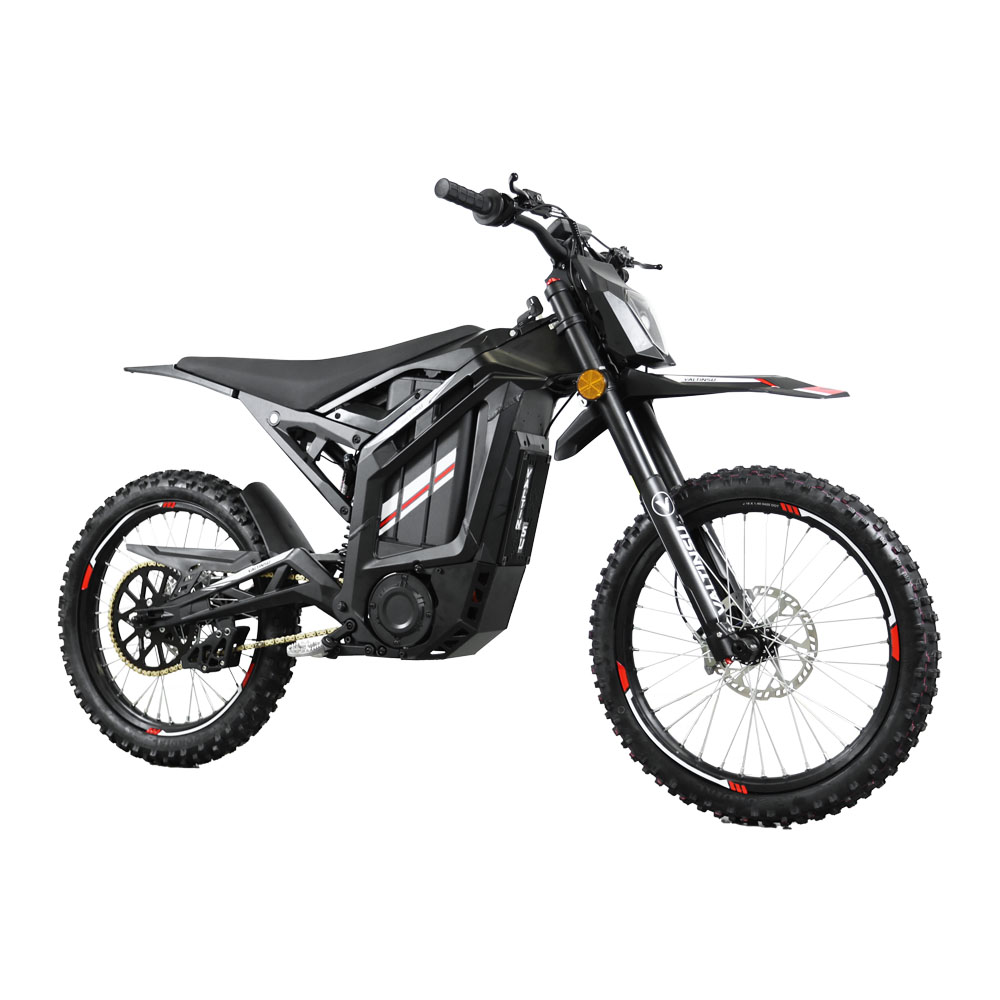

This article will provide a comprehensive analysis of the key factors influencing the price of dirt bikes, helping consumers plan their budgets before purchasing.
Well-known brands typically command higher prices, such as Honda, KTM, Sur-Ron, and Valtinsu. These brands have consistently improved design, enhanced performance, and introduced new technologies over the years, giving them a clear advantage in reliability and market acceptance.
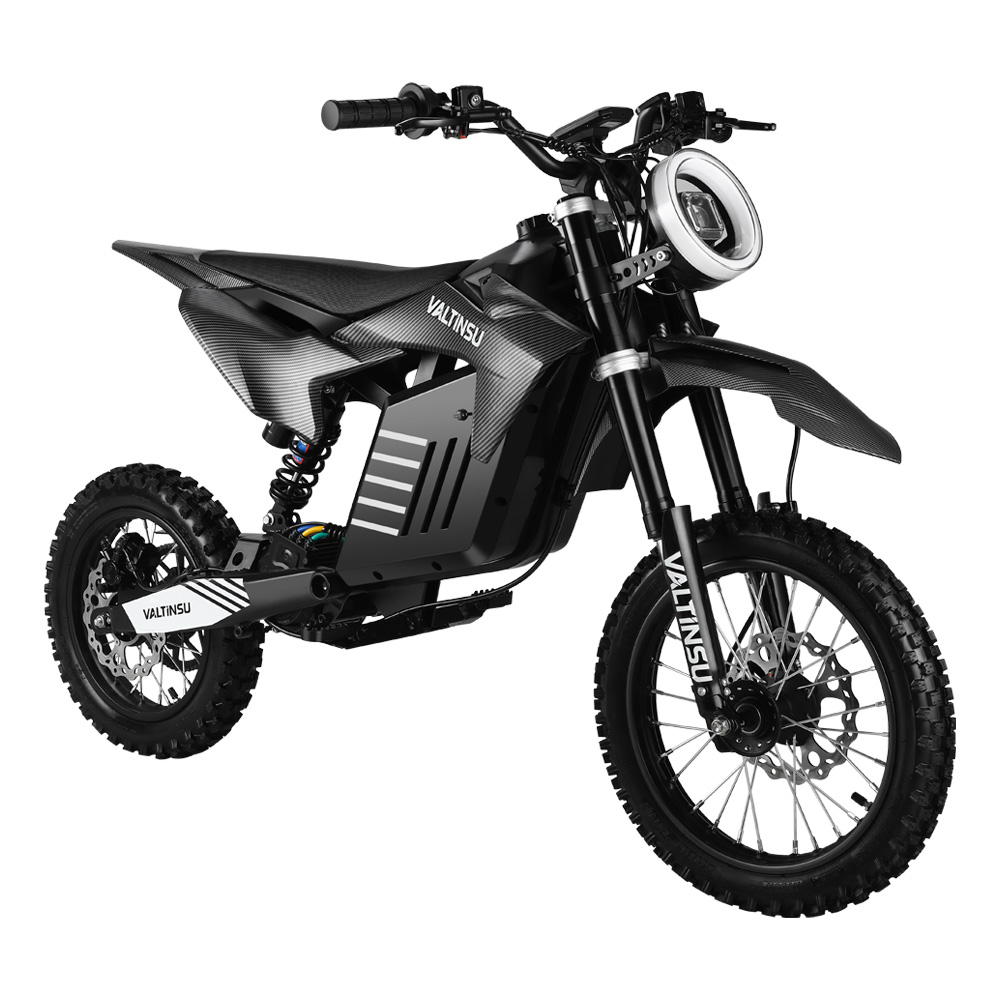
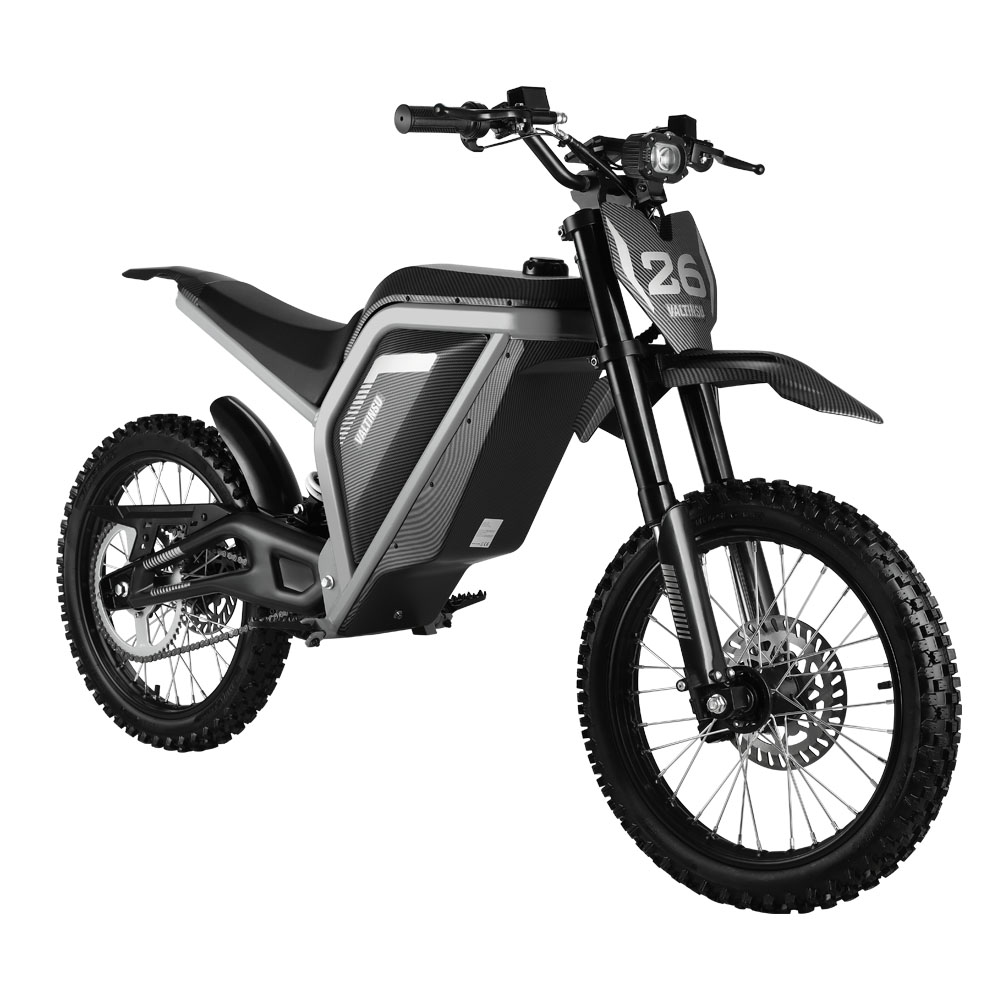
For example, Valtinsu focuses on high-performance electric dirt bikes while keeping prices affordable.
Different types of dirt bikes are positioned differently, and their prices vary significantly.
Entry-level models are usually cheaper and more suitable for beginners or recreational riders, while professional or racing models are equipped with higher-spec components, such as advanced suspension systems, advanced braking systems, and electronic assistance features, thus commanding a higher overall price.
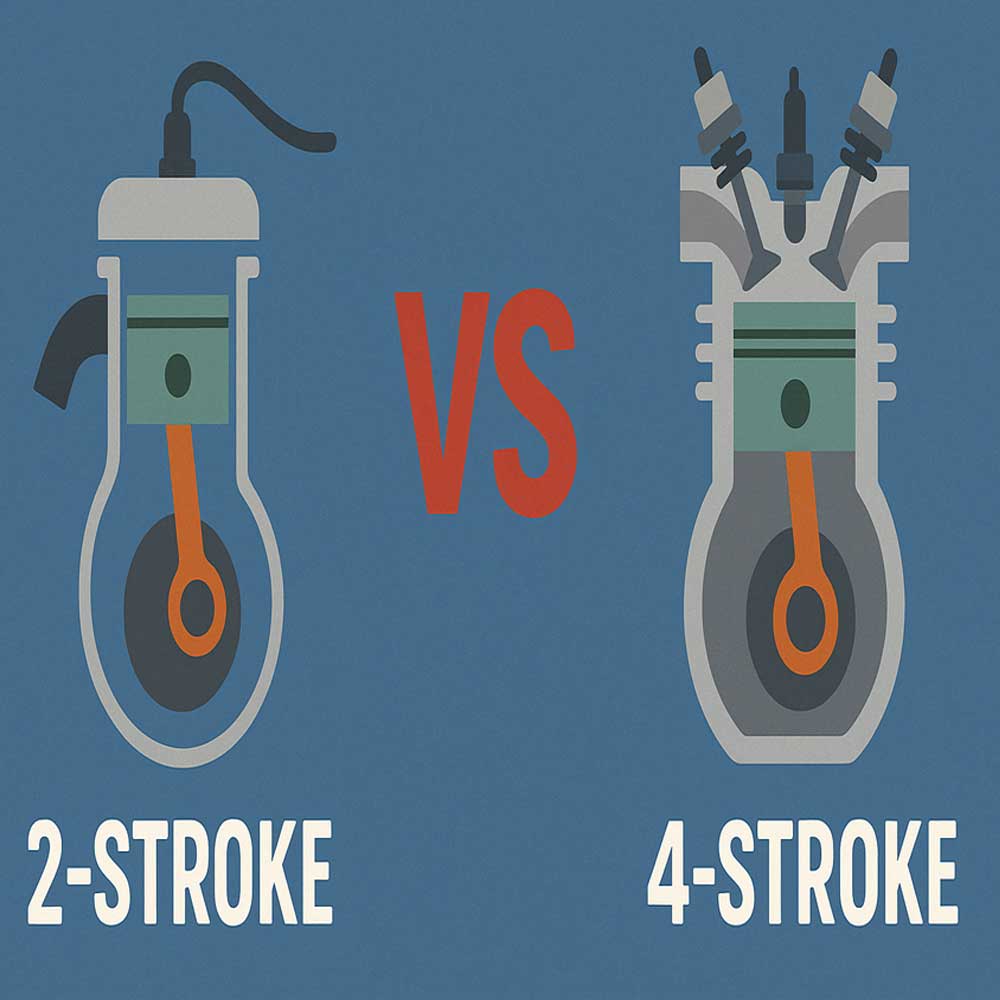
Dirt bikes equipped with larger displacement engines or high-end configurations (such as fuel injection systems, electronic suspension, and performance tuning) have higher manufacturing costs, and therefore their prices will also be higher.
New dirt bikes are priced higher than used ones. Used dirt bike prices vary widely depending on:
Older bikes with heavy wear typically sell for less, but well-maintained used bikes can still hold strong value.
Some popular models may be priced higher than comparable products due to high demand, even with similar configurations.
Dirt bike demand increases during spring and summer riding seasons. Higher demand during peak riding months can lead to higher prices.
Competition-grade dirt bikes are designed with high performance and durability at their core, and are suitable for professional races or high-intensity riding. Their prices are usually higher than recreational-grade models.
Limited-production models or custom-built dirt bikes often cost more due to exclusivity, unique components, or specialized designs.
To ensure riding safety, helmets, protective gear, cycling apparel, knee pads, and cycling boots are typically required.
Regular maintenance, parts inspections, and replacement of wear parts are significant expenses for maintaining vehicle performance and lifespan.
Depending on state laws, some dirt bikes require insurance or off-road vehicle registration and licensing; related costs vary by state.
Gas-powered dirt bikes require ongoing gasoline costs; electric dirt bikes require consideration of charging costs and the cost of battery replacement or upgrades after long-term use.
Riders often personalize their bikes, such as upgrading suspension, tires, protective components, or appearance, which increases the overall investment.
Consumable parts such as tires, brake pads, and chains need to be replaced regularly during normal use and are part of the long-term ownership cost.
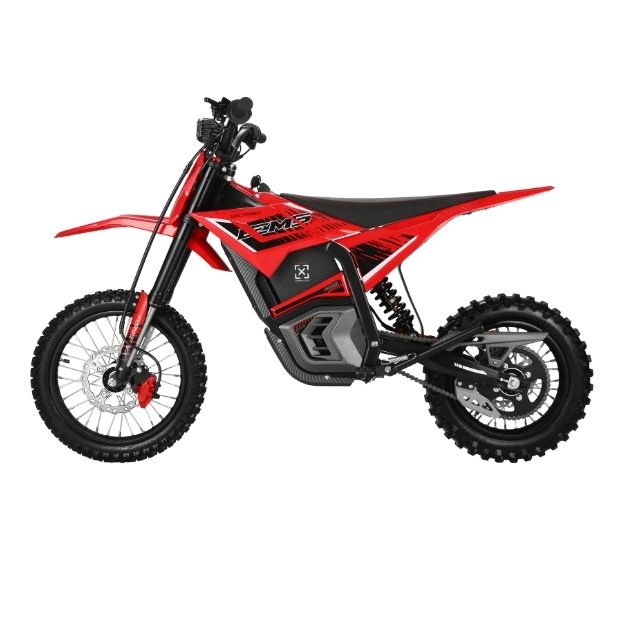
Vehicle prices vary across different regions due to differences in taxes, transportation costs, regulations, and market conditions.
In different countries and regions, electric motorcycles may be subject to value-added tax (VAT), import duties, or sales tax. Europe typically applies a higher VAT, while the United States primarily levies state sales tax. Specific tax standards depend on local regulations and customs policies. For example, a $2,000 motorcycle in the US might cost around $2,160, including transportation costs, with lower taxes, resulting in a final price close to the vehicle’s price. However, in Europe, import duties and VAT would apply, raising the price to approximately $3,144, significantly higher. Differences in VAT rates across different European countries will slightly affect the final price.
Transportation costs are higher in more remote areas, correspondingly increasing the vehicle’s price.
In regions with a mature off-road riding culture and a large user base, demand is stronger, potentially leading to higher prices; in regions with lower demand, prices are relatively more competitive.
Operating costs, service levels, and market competition vary among dealerships in different regions, leading to price differences.
Some regions have additional environmental, noise, or safety certification requirements for vehicles, and compliance costs are reflected in the price.
Exchange rate fluctuations, tariffs, and customs clearance fees can result in different final selling prices in different countries or regions.
Vehicle prices are typically slightly higher in regions offering more comprehensive after-sales service and broader warranty coverage.
The future price of motocross dirt bikes will be influenced by a variety of factors, including technological advancements, market conditions, policies, and supply chain factors.
The trend towards electrification has put pressure on traditional gasoline-powered motorcycles. As battery technology advances and range increases, the price structure of electric dirt bikes will continue to evolve. Meanwhile, incentive policies for electric vehicles in various US states will also affect market pricing.
Smart features such as electronic suspension, ABS, traction control, GPS positioning, and remote diagnostics, while increasing costs, significantly improve riding safety and experience.
The use of high-cost materials, such as aluminum alloys, carbon fiber, and titanium alloys, will also drive up prices but will contribute to improved performance and handling.
High-end brands and limited-edition models typically command higher prices, while emerging brands focusing on mass production may offer more competitive pricing through cost advantages.
Continuous technological innovation and advanced manufacturing processes will increase production costs, thus affecting the final selling price.
Ever-changing environmental and noise regulations in various countries affect the cost structure of gasoline-powered vehicles; similarly, policies related to electric bikes influence the price of dirt bikes.
Fluctuations in the prices of steel, aluminum, and battery materials (such as lithium, cobalt, and nickel) directly impact costs.
Global supply chain strain or rising logistics costs will drive up selling prices.
Consumer preferences for environmentally friendly, high-performance, and lightweight models will drive up prices for these vehicles.
The popularity of extreme sports and social media trends also influences demand.
High-performance or high-tech dirt bikes require more complex maintenance services.
Extended warranties, remote diagnostics, or intelligent maintenance services will increase vehicle prices.
Models with high resale value typically have higher new bike prices.
Electric vehicles, due to battery life issues, experience greater fluctuations in resale value, which also affects new bike pricing.
The price of a dirt bike depends not only on the vehicle itself, but also on brand, configuration, regional differences, and long-term operating costs. With the development of electrification and smart technologies, the price structure of dirt bikes will continue to evolve. A thorough understanding of these factors will help riders choose the dirt bike that best suits their needs and budget.
Lightest and easiest to control, perfect for teens and casual riders
Smart + removable battery + gear-reduction torque = highest global demand
Fill out the form below, and we will be in touch shortly.